Kushagra Sharma's Blog Posts
Kushagra Sharma is a Product Manager at Cisco working on AIOps products that help teams operate complex systems with intelligence and scale. He focuses on translating customer problems into practical, data-driven solutions at the intersection of AI, reliability, and software platforms. Passionate about clear thinking and strong product craft, Kushagra writes to share insights on technology, product strategy, and building systems that actually work in the real world.
Display Mode
Paginated
Filter
Author
Author URL
Limit
6

ELT: Extract Load Transform, Explained
ELT is fundamentally different from the traditional ELT process: see what ELT offers, including massive flexibility, in this complete guide.

How the C-Suite Should Think About AI Today
Don’t drown in AI by diving into the pool headfirst. Here’s why being methodical in an approach to AI adoption will increase efficiency and deliver more value to customers.

Insider Threats in Cybersecurity
Security anything isn't limited to outsiders. People on the inside can breach your security too. Read how in this guide to insider threats.
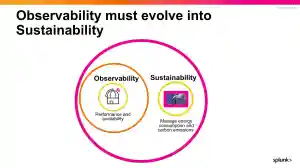
Observability for Sustainability
For the past 20 years, the various stakeholder communities that together constitute the IT industry have attempted to address sustainability. Could observability help in practicing sustainable IT and improving the carbon footprint reduction in its operations?

4 Keys to Building Better Board Relationships, According to a Board Director
Splunk board member Elisa Steele shares how transparency, third-party assessments and the classic Lunch and Learn can help you successfully navigate board relationships.

More Than Just a RAT: Unveiling NjRAT's MBR Wiping Capabilities
The Splunk Threat Research Team (STRT) provides a deep-dive analysis of NjRAT (or Bladabindi), a Remote Access Trojan (RAT) discovered in 2012 that's still active today.